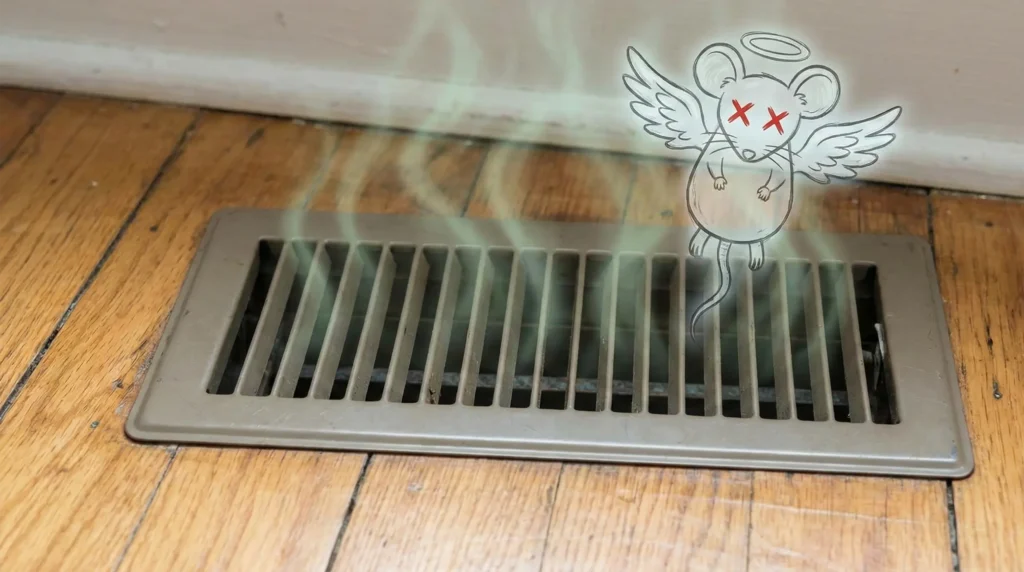
Dead Animal Smell in Your Vents? Don’t Panic — You’ve Found the Right Team.
What That Sudden Odor Usually Means
A sudden, rotten smell from an air vent usually points to a hidden problem inside the HVAC system. During cold Colorado weather, small animals seek warm spaces.
Sometimes they enter homes through tiny gaps and end up inside wall cavities or ductwork. If they become trapped, an odor can spread quickly through the ventilation system. Each heating or cooling cycle can carry that odor into multiple rooms. However, entry paths and odor patterns can help the issue get resolved faster.
How Animals Enter Colorado Homes and End Up in the HVAC System
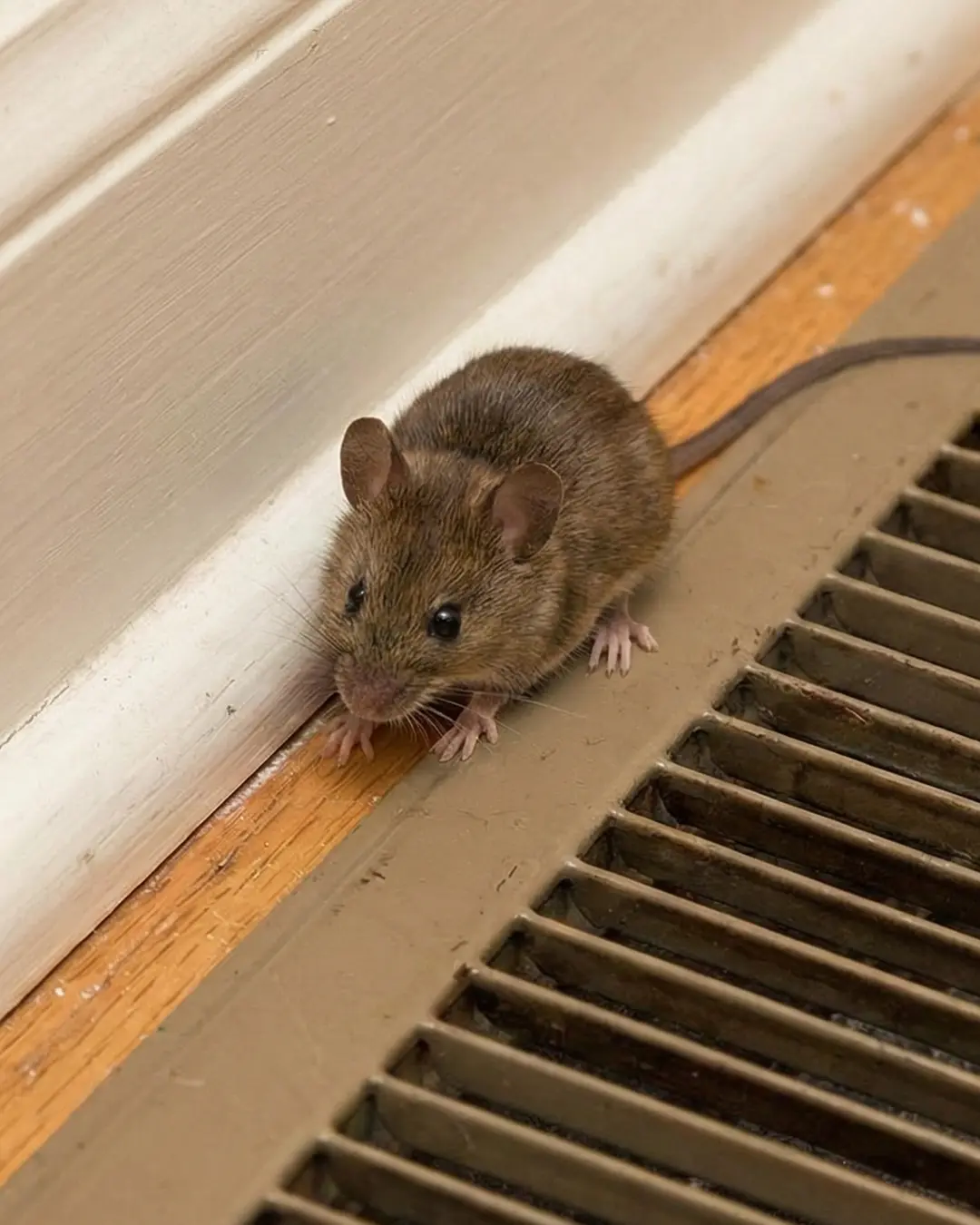
As temperatures drop in Colorado, outdoor shelter becomes scarce. Because of the cold, mice and other small animals look for warm, protected areas. Heated homes, basements, and mechanical rooms offer the warmth they need.
A mouse can squeeze through a gap as small as a quarter inch—thinner than a pencil. These openings may be located around foundations, siding transitions, utility penetrations, dryer exhaust areas, or rooflines. Even well-maintained homes can have small cracks that go unnoticed.
After entry, animals often travel through wall cavities or hidden chases. From there, open return paths or unprotected duct openings can be reached. Unfortunately, this sometimes leads them into the HVAC system, where they can become trapped.
How a Dead Animal Inside the Ductwork Spreads Odor Through the Home
Why the Smell Travels Through Multiple Vents
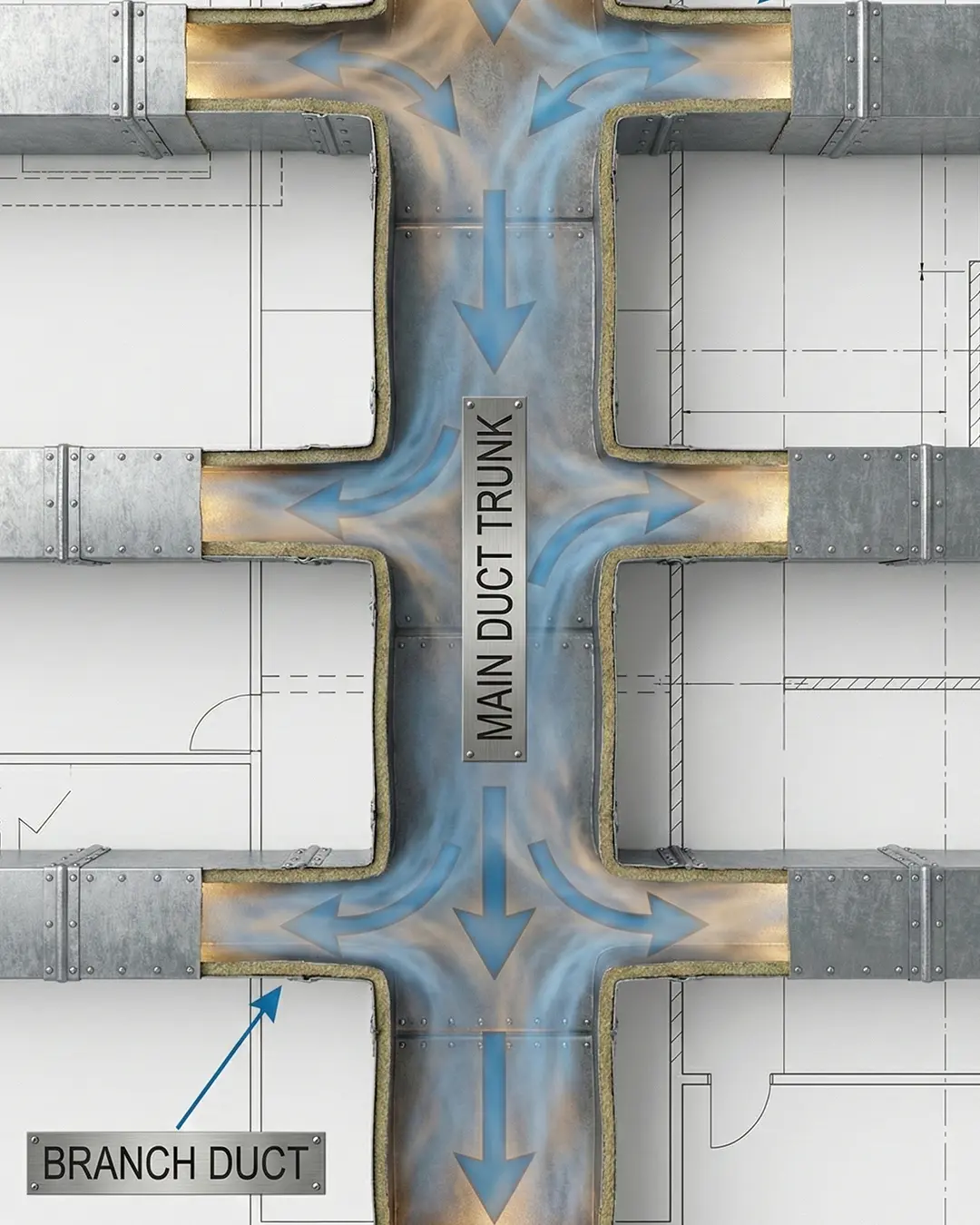
When an animal dies inside a duct or return chase, the odor does not stay in one place. As the HVAC system runs, airflow can carry odor into connected rooms. This can make the smell stronger each time heating or cooling cycles start.
Odor Patterns That Help Locate the Source
In some homes, one vent smells stronger than the others. In other homes, an entire level or zone can be affected. Duct branches and returns often shape how the odor spreads.
When the Odor Is Usually the Worst
The smell is often strongest when the system first starts and during longer heating cycles. Notes on timing and the strongest vents can help narrow the likely area for inspection.
What to Do When You Notice a Strong Odor Coming From a Vent
A few simple actions can make a service visit faster and more accurate. When the odor first appears, it is often easier to confirm which room and vent smell the strongest. Early observations can give clearer clues before odor spreads through the home.
- Walk the home and compare rooms. Note where the odor is strongest and which vents are affected.
- Check if the smell worsens when the system runs. This can help narrow the likely path inside the duct system.
- Avoid spraying fragrances into vents. Masking odor can hide important clues and slow troubleshooting.
- Do not spray disinfectants or sanitizers into the ductwork. In a confined home, off-gassing can spread and add confusion.
- Write down observations. List the strongest vents and note when the odor is most noticeable.
- Clear space around vents and the furnace. Better access can speed inspection and reduce time onsite.
This information can provide a focused starting point and reduce unnecessary access points.
How Ductworks, Inc. Locates and Removes Dead Animals From HVAC Systems
Give Us a Call First
When you call Ductworks, Inc., a NADCA-certified estimator will listen to your findings. If it is safe, guidance for DIY removal can be shared. In some cases, clear phone support can help avoid a service call fee.
When a Service Call Is Needed
If an onsite visit is required, removal is handled as a standard service call. A flat dispatch fee covers the trip and the initial onsite work. If more than two hours are needed, an hourly rate applies.
Help Keep Costs Down
If you suspect a specific vent or area, share it during scheduling. Clear space around the strongest vents for faster access. Focused entry points can reduce time onsite and keep costs lower.
What Happens After the Animal Is Removed
Airflow and Odor After Removal
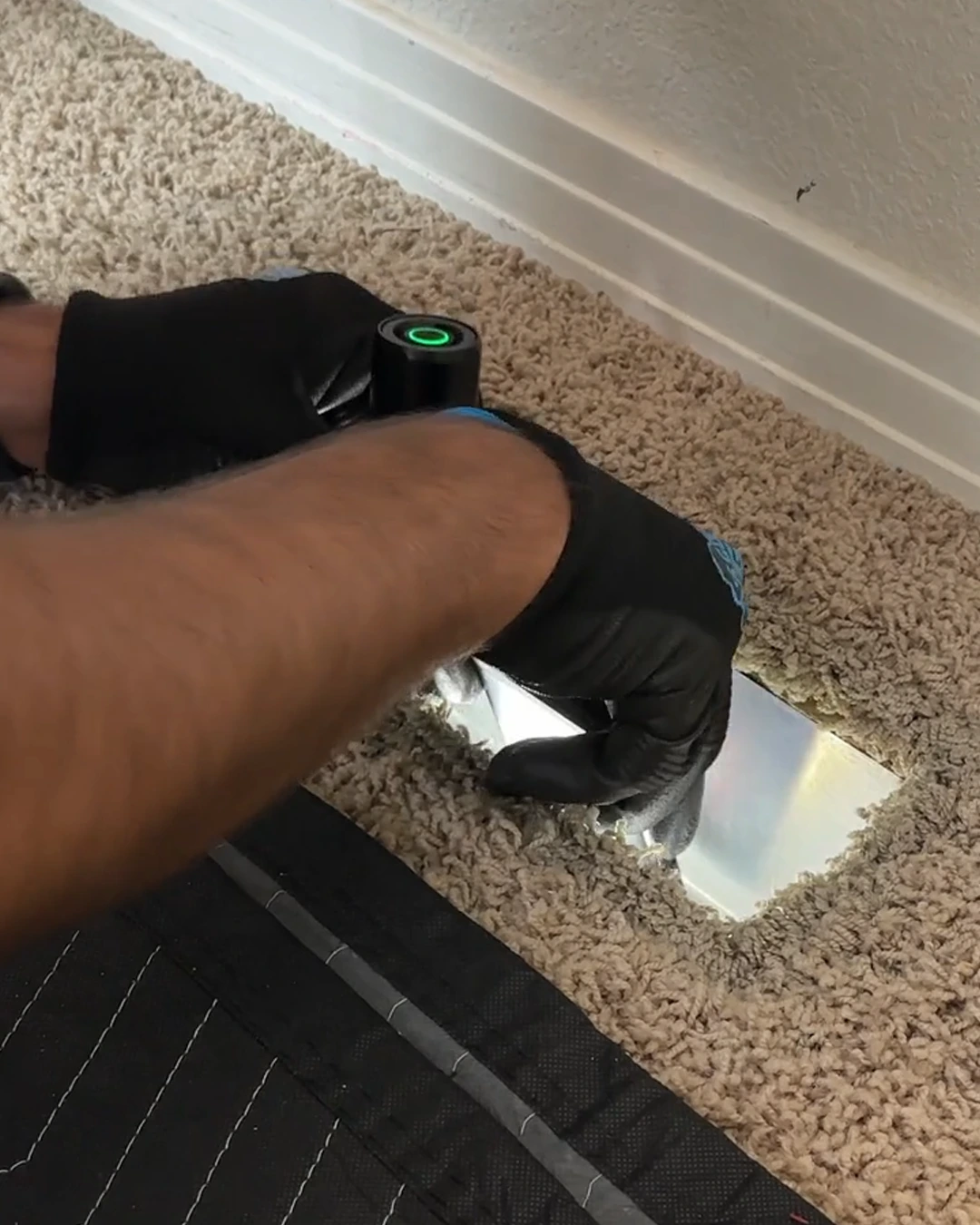
After removal, air movement through the ductwork can return to normal. The strongest odor usually begins to fade. Any loose debris in the immediate area can be addressed so normal operation can resume.
Optional Sanitization and Odor Oxidizer
If you choose, an odor oxidizer can be applied within the ductwork. This approach supports odor reduction without relying on fragrance masking. Indoor air quality can recover more quickly when odor sources are addressed directly.
Prevent Animals From Returning by Sealing Hidden Entry Points
Why Prevention After Removal Is So Important
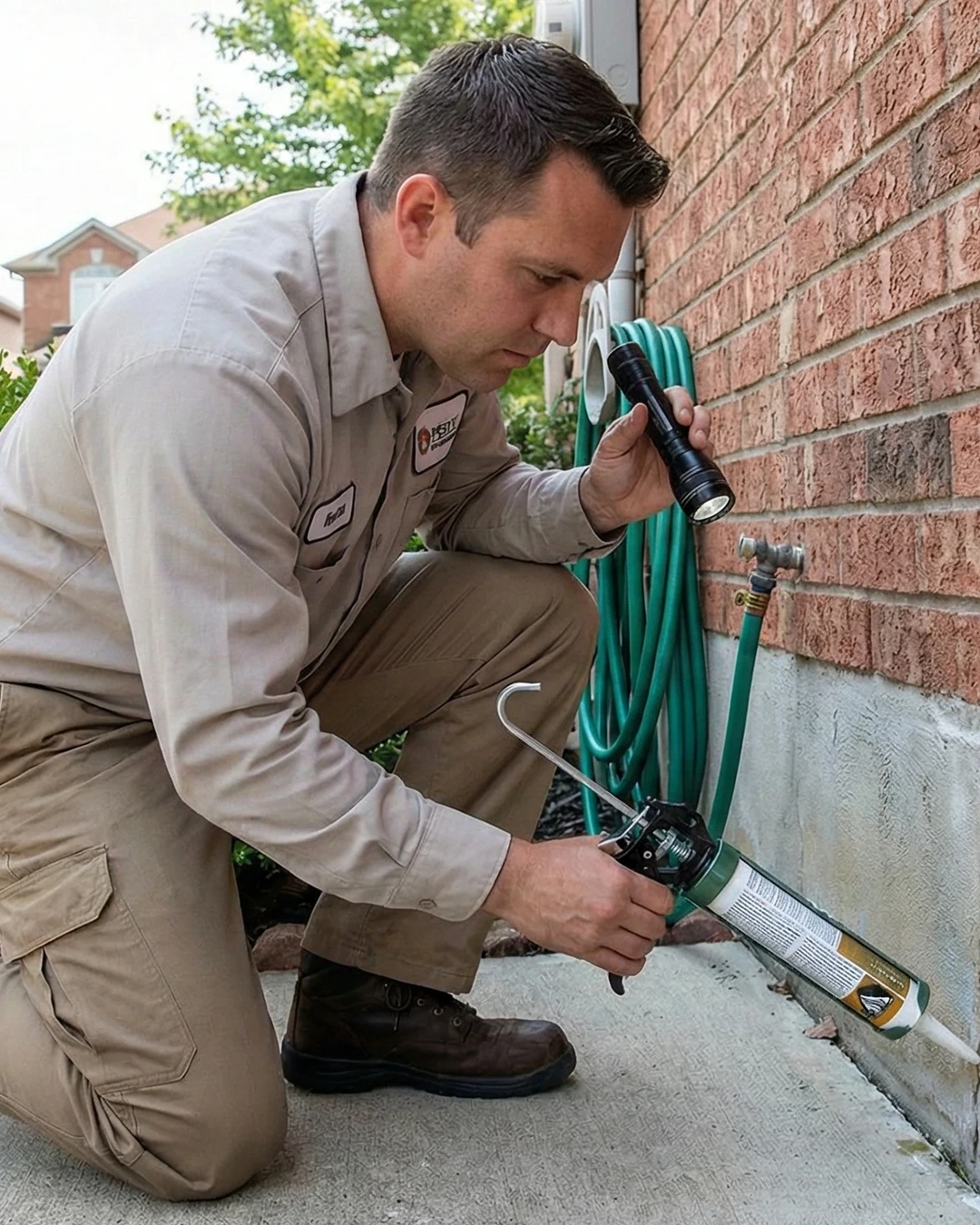
Removal can solve the immediate odor problem. However, entry points often remain open. New animals can follow the same path during the next cold spell.
Work With a Professional Exterminator
A licensed exterminator can inspect the building for cracks, gaps, and openings. Sealing and screening recommendations can be provided for long-term protection. These steps can reduce recurring odor issues through future Colorado winters.
Schedule Professional Dead Animal Odor Inspection and Removal
If a dead animal is suspected inside your air ducts, a timely service call can locate the source, remove the animal, and restore comfort in your home. Our Colorado-based team is ready to help you breathe easier again.
Residential Estimate Request