
Encapsulation and Sealing for Fiberglass Duct Liner
Many HVAC systems use fiberglass duct liner for thermal insulation and sound control. A factory-applied facing protects the airstream surface and is often called a primary seal. It holds up well in harsh conditions, but it will not last forever.
Why the original facing wears down
High-velocity airflow, temperature swings, humidity, and normal aging wear down the facing over time. As the surface gets thinner, small fiberglass fibers can enter the airstream. That change can affect comfort and indoor air quality.
Extending HVAC Service Life Without Reconstruction
Sealing or encapsulation can be a practical alternative to full duct replacement. The process restores the air-facing surface without the downtime of a major rebuild. During the service, technicians apply a specialized coating that locks down loose fibers and rebuilds a smooth, stable surface. Many facilities choose this option because it often costs far less than installing new ductwork and it helps reduce disruption.
Timing matters: routine HVAC inspections help catch liner wear early, when encapsulation can still serve as a preventive measure. If the liner breaks down too far, a tear-out may be the only workable path.
Cleaning Must Come First
A clean surface supports strong adhesion
Strong adhesion starts with a clean surface. Sealants and coatings need a stable base to bond well. Dust, residue, and oily films can block that bond and shorten the life of the repair. Thorough cleaning removes buildup so the coating can bond directly to the air-facing surface.
The cost of cutting corners
Skipping cleaning often leads to early failure. When teams bypass this step, coatings may peel or release, and crews have to return for extra work. A strict cleaning-first approach lowers risk and supports a longer-lasting repair.
Selecting the Right Sealant for Duct Environments
Use HVAC-specific, water-based, low-VOC mastic
Many lined-duct restoration plans use a water-based, low-VOC mastic made for HVAC use. These products handle airflow exposure and the same forces that wear down the original facing. General-purpose coatings often fall short inside duct systems.
Performance traits that matter inside ductwork
Handles temperature swings
Duct systems shift between warm and cool conditions. A good coating stays stable across normal operating ranges.
Remains pliable
Ducts expand and contract during operation. A flexible coating helps prevent cracking as conditions change.
Resists airflow stress
High-velocity air creates shear forces on surfaces. HVAC coatings resist that stress and keep their bond.
Stays bonded in humid conditions
Seasonal humidity changes affect duct interiors. A dependable coating holds on without peeling.
When Encapsulation Can Be Beneficial
Encapsulation works best early
Encapsulation helps when the liner remains intact but shows early surface wear. The coating rebuilds the airstream surface and locks down loose fibers. With the surface stabilized, insulation performance is easier to maintain.
Know the limits before you commit
Encapsulation cannot fix a liner that has failed or pulled apart. Water damage can also limit results. An inspection should confirm the surface condition, signs of past moisture, and the risk of poor adhesion before you proceed.
Commercial Air Duct Cleaning Resources
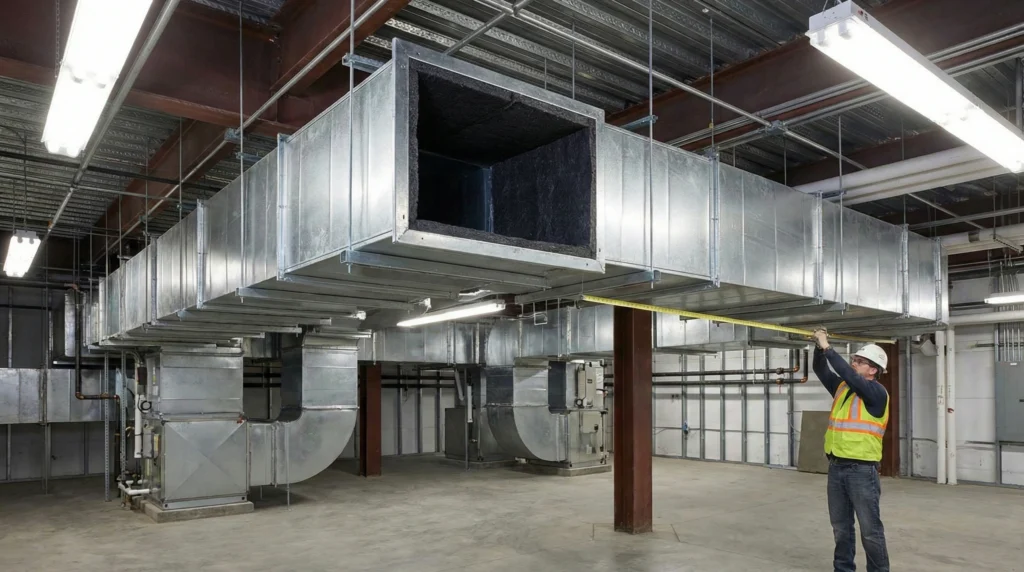
What Is Fiberglass Duct Liner? A Colorado Facility Manager’s Guide to Internally Insulated Ductwork
Commercial HVAC • Internally Lined Ducts What Is Fiberglass Duct Liner? Internal duct insulation that improves sound control, thermal stability, and space-efficient…
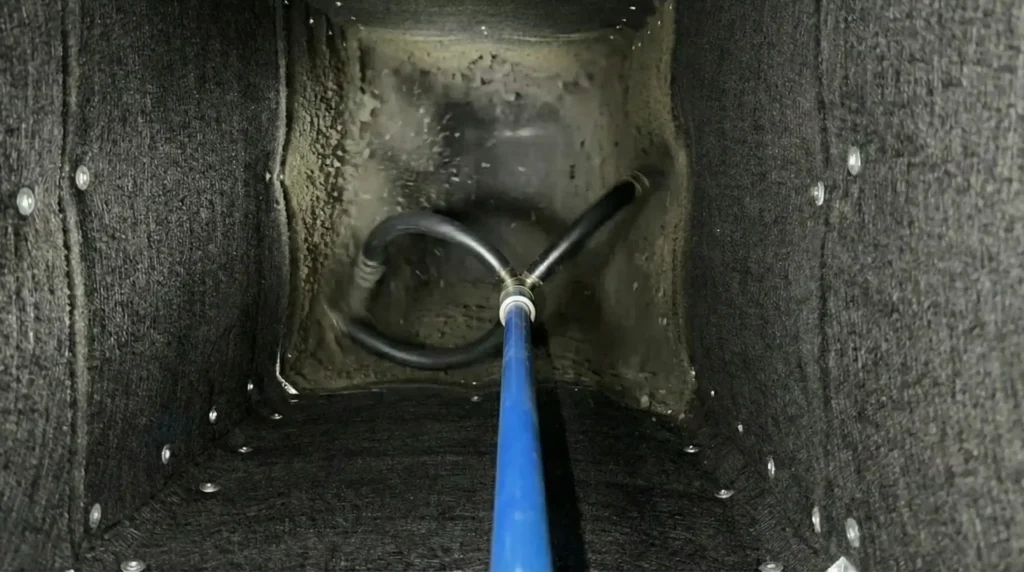
Cleaning Internally Lined Ductwork: Protocols for Commercial Facilities
Commercial HVAC Maintenance • Lined Ducts Cleaning Internal Fiberglass Ductwork Commercial air duct cleaning for lined systems requires specialized care. Unlike bare…
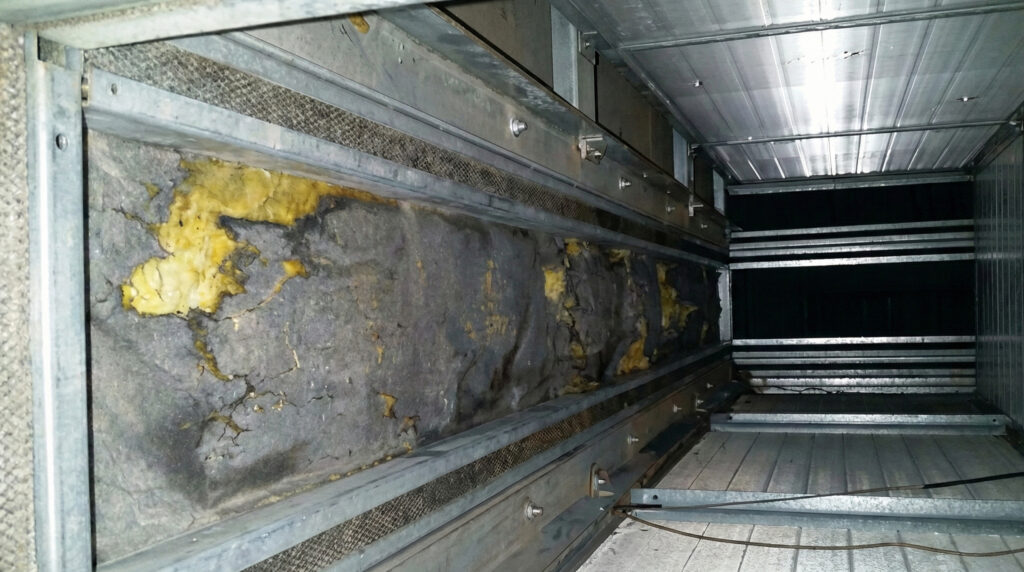
Commercial Air Handler Insulation: Protecting the Heart of Your HVAC System
Commercial HVAC • Air Handler Performance • Internal Insulation When Air Handler Insulation Breaks Down, Comfort and Air Quality Drop Fast In…
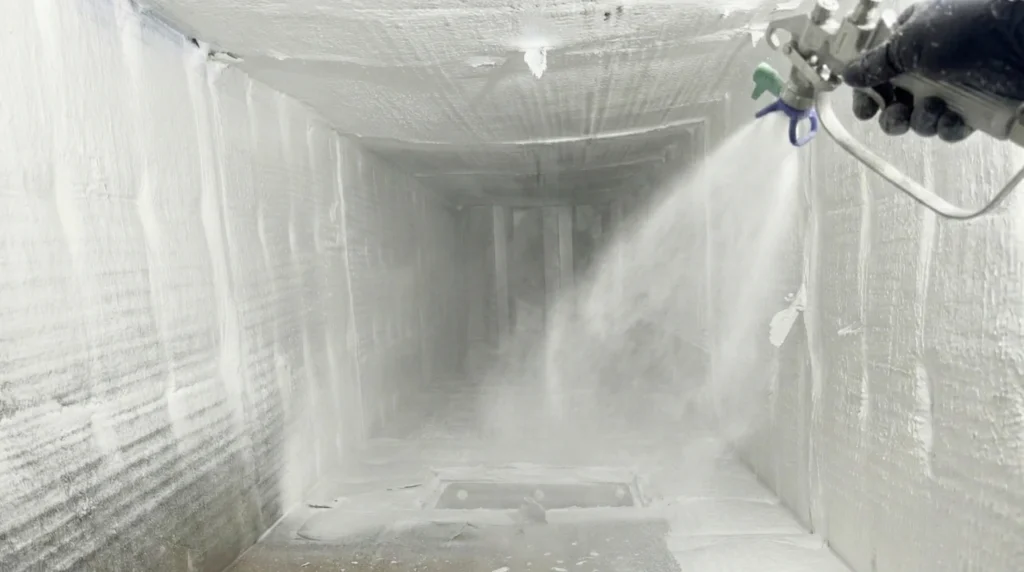
Fiberglass Duct Liner Encapsulation and Sealing: Colorado Commercial Guidance for Long-Term Performance
Insulation Preservation • Long-Term Maintenance Encapsulation and Sealing for Fiberglass Duct Liner Many HVAC systems use fiberglass duct liner for thermal insulation…
Commercial Estimate Request
Get a scope that matches liner condition
If you plan to clean, seal, or encapsulate internally lined ducts, we can define a scope that fits your facility. Our focus stays on practical options that support performance and comfort.
During routine maintenance or as a standalone check, we review liner condition to see if sealing is the right fit. You receive a clear plan that aligns surface prep with coating needs so the bond holds and the system performs as intended.

One Comment “Fiberglass Duct Liner Encapsulation and Sealing: Colorado Commercial Guidance for Long-Term Performance”
Comments are closed.