
What Is Fiberglass Duct Liner?
Internal duct insulation that improves sound control, thermal stability, and space-efficient design.
Fiberglass duct liner uses compressed fiberglass sheets inside sheet metal ductwork. Installers bond the sheets to the duct walls with adhesive and lock them in place with mechanical fasteners (often called pins). Crews then seal edges and seams to help limit fiber erosion and maintain a smoother airflow surface.
How Fiberglass Duct Liner Is Built
Compressed fiberglass insulation
To optimize thermal efficiency and sound absorption, installers fit metal ducts with interior fiberglass sheets selected by designers to match system specifications.
Adhesive bond plus mechanical pins
Crews apply adhesive to bond the liner to the duct wall. They add mechanical fasteners to help the liner stay secure over time. Field teams commonly refer to these fasteners as pins.
Airstream-facing factory surface
Manufacturers typically add a factory facing on the airstream side. That surface resists wear from airflow and turbulence. When the facing stays intact, it helps keep fibers from entering the airstream during normal operation.
Primary seal at edges and seams
Crews apply a primary seal at seams, corners, and cut edges. The seal protects vulnerable areas where erosion tends to start first. For that reason, inspection teams treat seam condition as a top checkpoint.
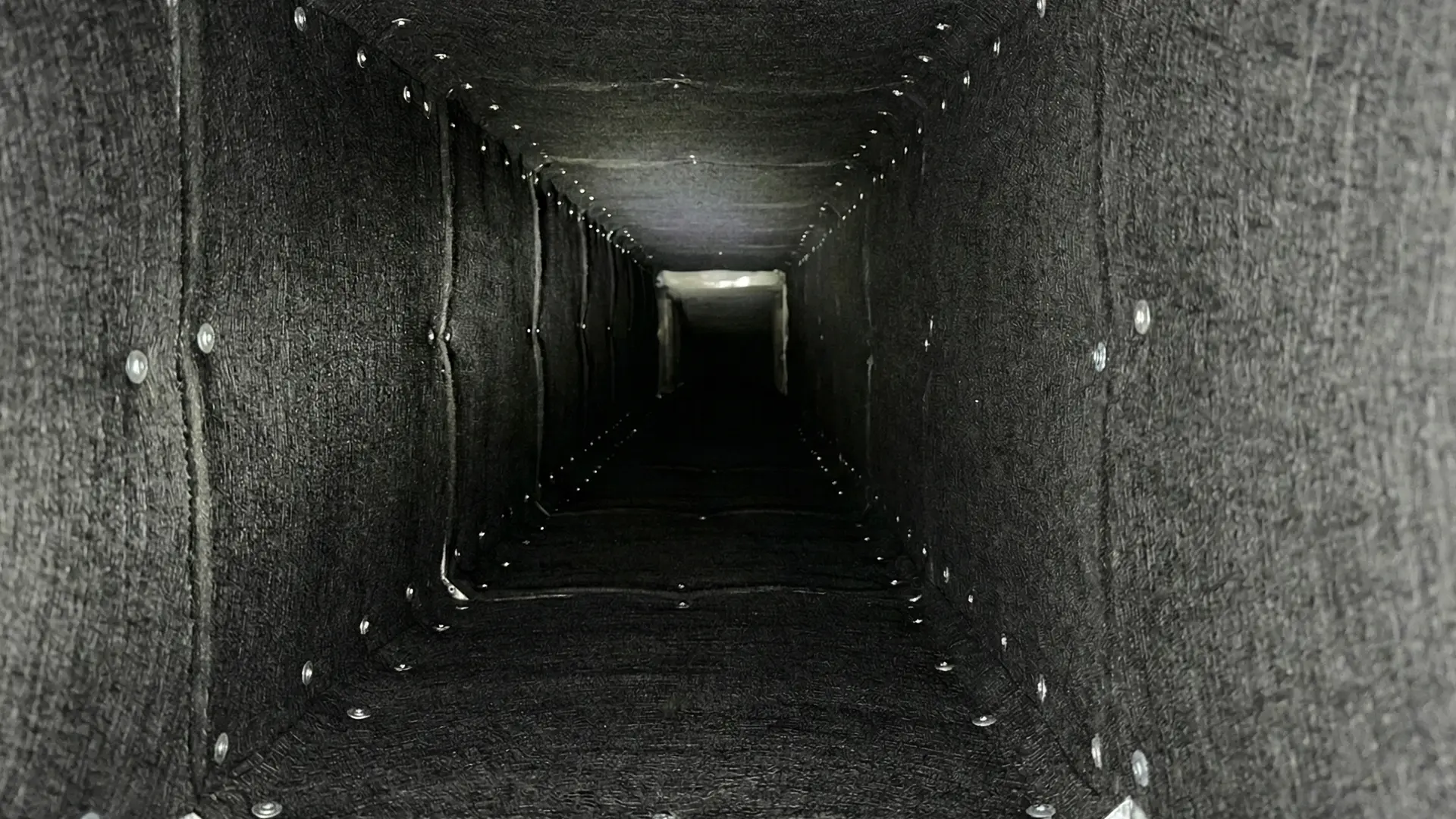
Documentation photos confirm seam status, pin placement, and surface condition.
Why It’s Installed
Space constraints in ceiling plenums
Plenums often pack in piping, conduit, and other infrastructure. External insulation can increase duct size and create conflicts. Internal liner meets insulation goals without expanding the duct footprint.
Acoustics for quieter occupied areas
HVAC noise can travel through ductwork and into occupied spaces. Internal liner absorbs sound inside the duct path before it reaches rooms. Occupants often notice a quieter feel in offices, classrooms, and conference spaces.
Thermal stability and energy control
The liner adds thermal resistance to reduce heat gain and heat loss. That resistance helps supply air arrive closer to the design temperature. Facilities often see more stable comfort and better energy performance when the liner stays intact.
Condensation risk reduction
Cold ducts can trigger condensation when humid plenum air contacts the metal. Internal insulation helps keep the exterior duct surface warmer. That temperature lift reduces ceiling tile staining risk and lowers the chance of moisture problems.
Common Locations for Fiberglass Duct Liner
Supply air ducts
Main supply trunks carry high airflow volumes. Noise control is prioritized in these runs. Liner is specified to support occupant comfort goals.
Return air ducts
Return paths can transmit equipment noise back to occupied areas. Liner is used to reduce duct-borne sound. Temperatures are kept steadier when the liner remains intact.
Near air handling units and fans
Turbulence and vibration are created at transitions. Liner is added to absorb sound and reduce temperature swing. Background noise is reduced for nearby occupied areas.
Why Periodic Duct Liner Inspections Matter
Early findings reduce cost and disruption
Fiberglass duct liner can deliver a long service life, but real system conditions still wear it down. Temperature swings, humidity changes, and airflow turbulence stress the liner surface over time. When crews spot a lifting primary seal or a weakening bond early, facility teams can plan repairs with fewer surprises.
Verify attachment and seam integrity
Inspectors check pins and bond lines for loosening. They review seams and edges for separation or curling. Addressing early changes helps reduce shedding risk and protects the airstream surface.
Assess surface wear in the airstream
Higher-velocity sections accelerate facing wear. Teams document scuffs and abrasion so they can track trends from one inspection to the next. That documentation supports planning based on evidence instead of assumptions.
Identify moisture exposure and history
Condensation, roof leaks, and mechanical issues can introduce moisture. Damp insulation can hold odors and reduce performance. When inspectors note moisture indicators early, teams can address the source faster and limit further damage.
Support long-term system performance
Intact liner surfaces drive the acoustic and thermal benefits. When the liner degrades, comfort often becomes less consistent. Routine reviews help protect occupant comfort targets and support equipment performance goals.
A note on restoration timing
When teams catch liner wear early, they can evaluate more restoration options. Widespread failure or heavy contamination typically narrows those choices. Routine inspections keep timing on your side and support proactive facility maintenance.
Fiberglass Duct Liner FAQ
Is fiberglass duct liner common in commercial buildings?
Many commercial and institutional HVAC systems use internal duct liner. Designers specify it most often when they need sound reduction and thermal control. Because it sits inside the duct, it helps teams work around tight plenum layouts.
Does internal liner change duct sizing?
Internal liner does not increase the exterior duct size. It does reduce the interior cross-section by the liner thickness. Designers account for that thickness during planning and sizing.
What are the most common early warning signs?
Inspectors often find lifted seams, curling edges, and loosened pins first. They also look for facing wear near equipment and high-turbulence zones. A quick inspection often prevents bigger surprises later.
Why is the primary seal important?
The primary seal protects seams and cut edges from erosion. Intact seams also help maintain a smoother airstream surface. That’s why inspectors treat seam condition as a core checkpoint.
Where should inspections focus first?
Start near fans, equipment transitions, tight elbows, and other high-stress areas. Higher velocity and vibration often accelerate wear at those locations. Teams also verify access points so they can repeat inspections consistently over time.
How does duct liner help building occupants?
Liner reduces noise before it reaches diffusers and grilles. It also helps supply air hold temperature during delivery. Occupants often experience more consistent comfort across occupied zones.
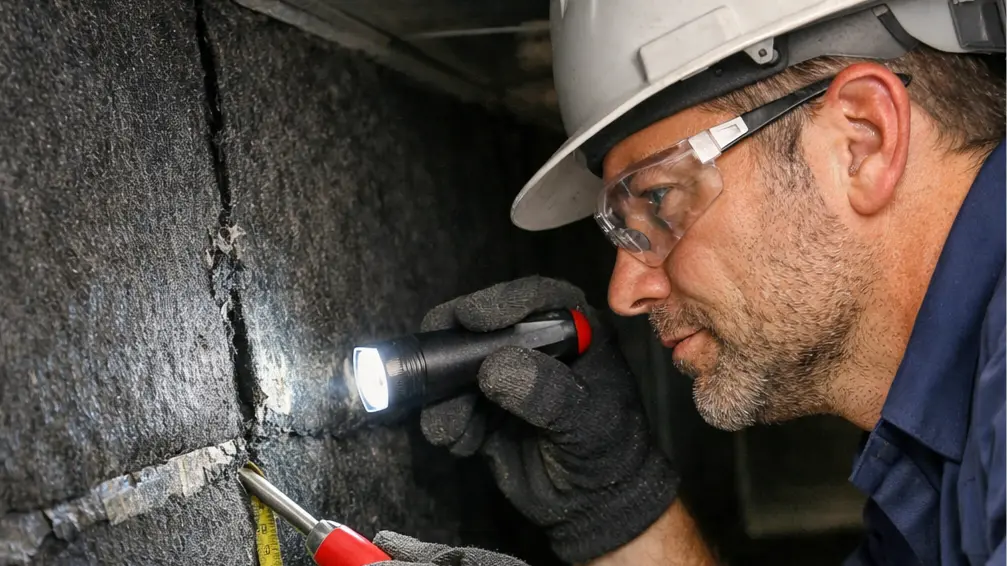
Inspection Documentation That Supports Better Decisions
Ductworks, Inc. supports facility teams with clear, location-based duct liner observations. Our team captures photo documentation so you can track conditions over time. That clarity helps you plan maintenance with fewer disruptions and more confidence.
Commercial Air Duct Cleaning Resources
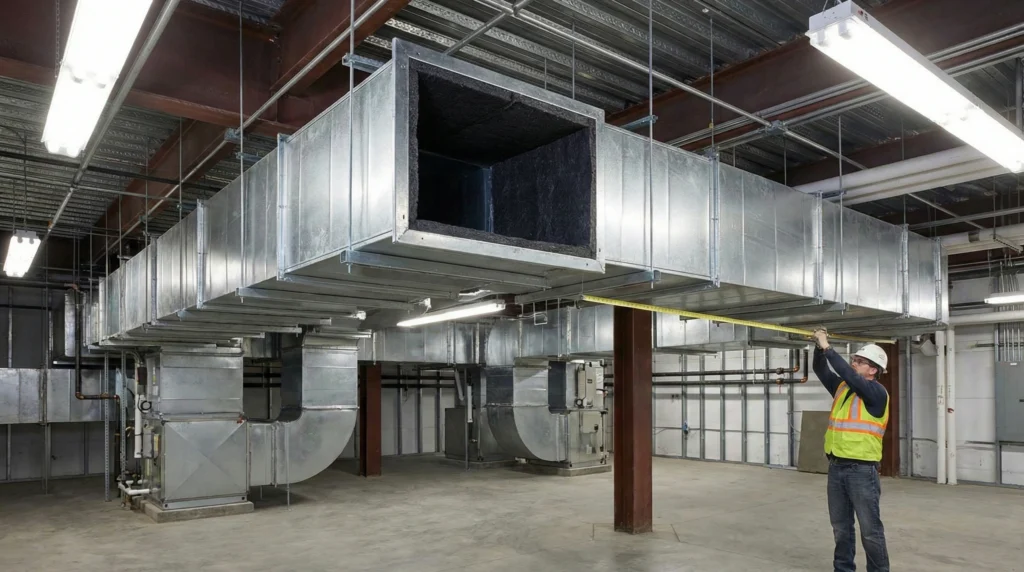
What Is Fiberglass Duct Liner? A Colorado Facility Manager’s Guide to Internally Insulated Ductwork
Commercial HVAC • Internally Lined Ducts What Is Fiberglass Duct Liner? Internal duct insulation that improves sound control, thermal stability, and space-efficient…
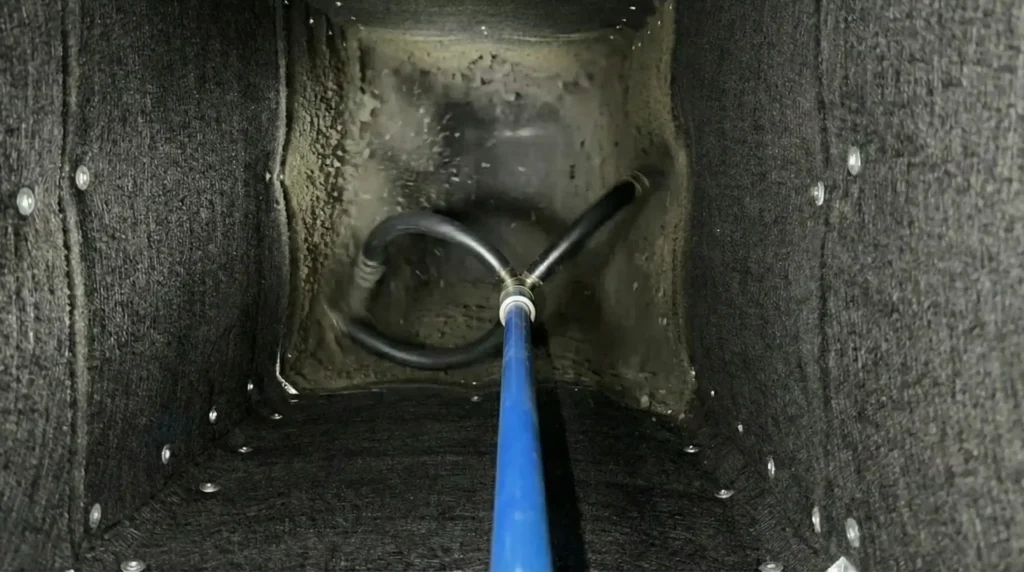
Cleaning Internally Lined Ductwork: Protocols for Commercial Facilities
Commercial HVAC Maintenance • Lined Ducts Cleaning Internal Fiberglass Ductwork Commercial air duct cleaning for lined systems requires specialized care. Unlike bare…
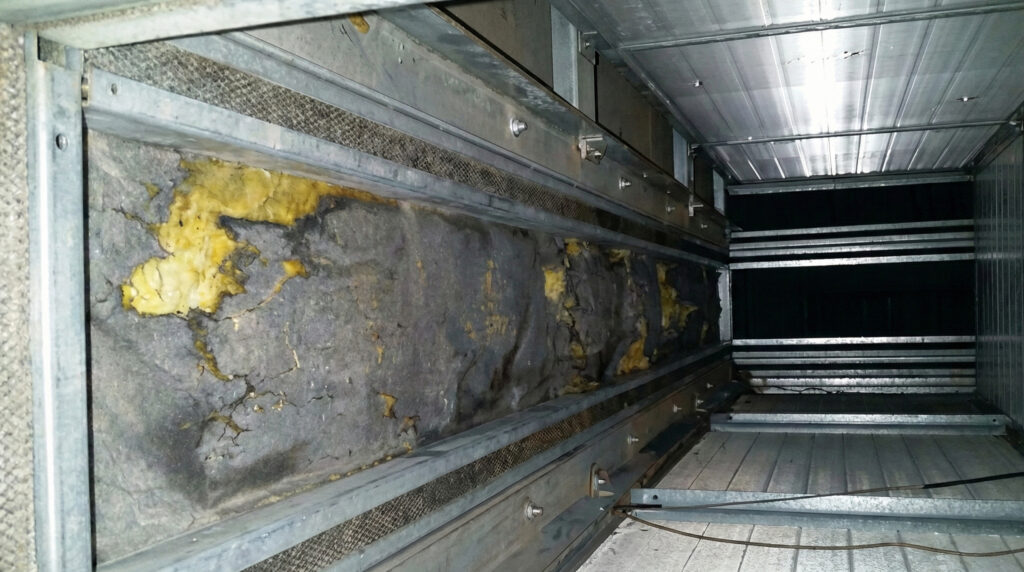
Commercial Air Handler Insulation: Protecting the Heart of Your HVAC System
Commercial HVAC • Air Handler Performance • Internal Insulation When Air Handler Insulation Breaks Down, Comfort and Air Quality Drop Fast In…
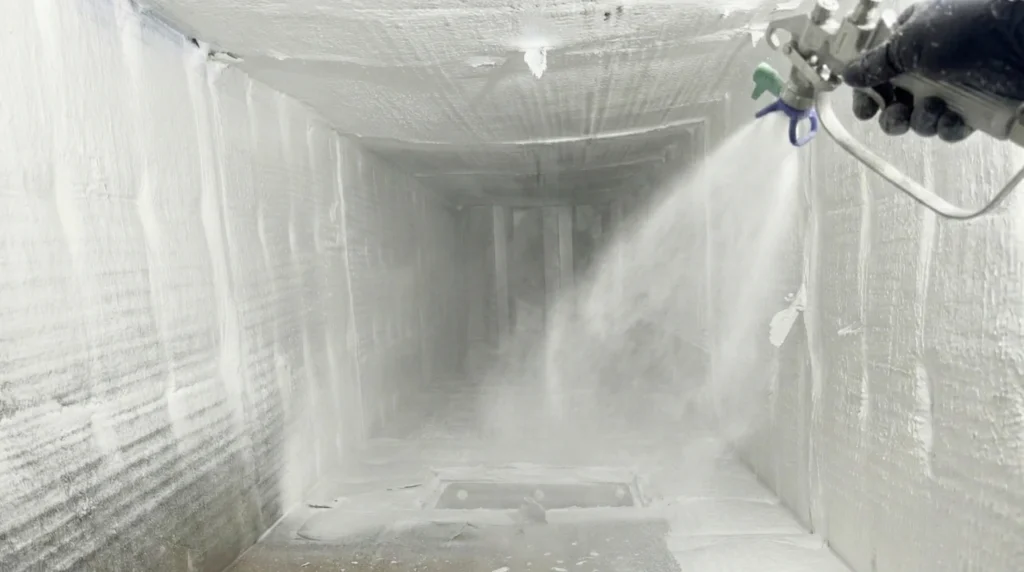
Fiberglass Duct Liner Encapsulation and Sealing: Colorado Commercial Guidance for Long-Term Performance
Insulation Preservation • Long-Term Maintenance Encapsulation and Sealing for Fiberglass Duct Liner Many HVAC systems use fiberglass duct liner for thermal insulation…
Plan Your Next Duct Liner Inspection
If your building uses fiberglass duct liner, periodic inspections help protect performance and support planning. A documented review clarifies current condition and helps your team set maintenance priorities.
Commercial Estimate RequestBuilding owners, property managers, and mechanical contractors rely on clear documentation to guide next steps.

One Comment “What Is Fiberglass Duct Liner? A Colorado Facility Manager’s Guide to Internally Insulated Ductwork”
Comments are closed.