
Why Furnace Air Filters Matter After Air Duct Cleaning
What Happens After Your Air Ducts Are Cleaned
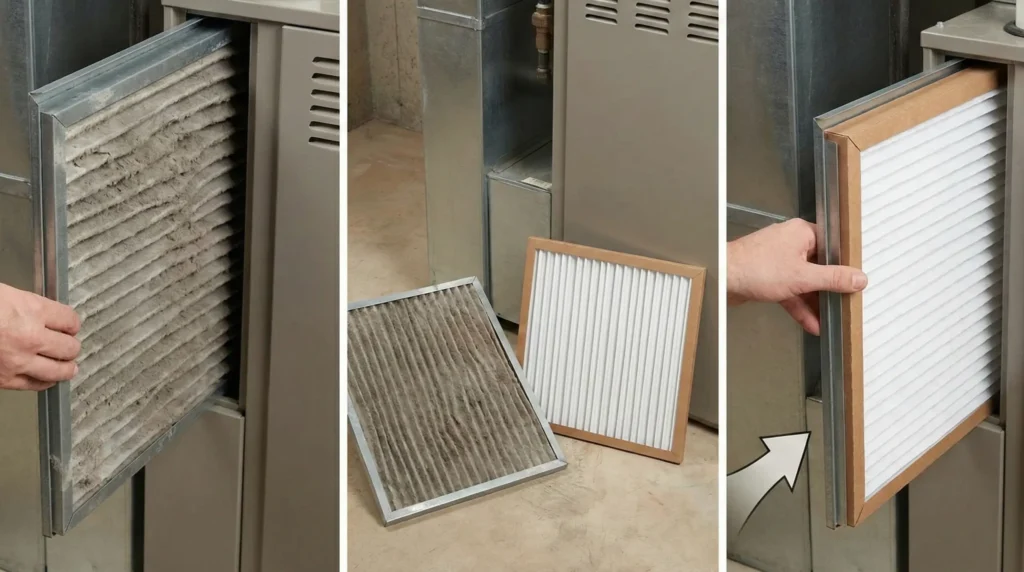
After your ventilation system is professionally cleaned, the best way to protect that investment is simple. You must replace your furnace air filter on a routine basis. Additionally, regularly changing the furnace air filter helps reduce dust that would otherwise circulate back into the system. As a result, your indoor air stays cleaner and your equipment runs more efficiently.
Why Routine Filter Changes Matter
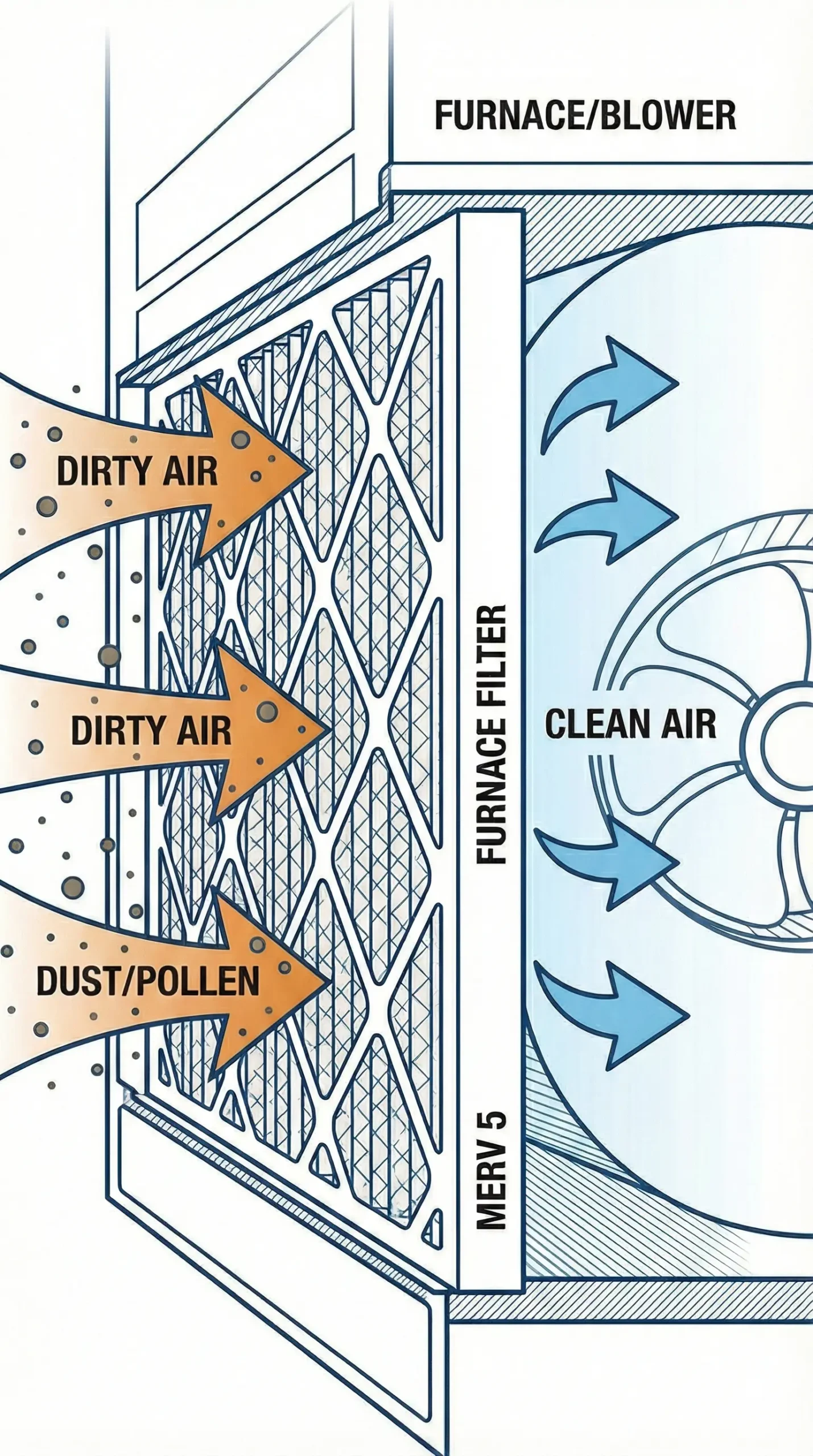
For most Colorado homes, the best furnace air filter is often a cloth pleated filter with a MERV rating of 5. This style of filter protects the furnace and ductwork while still allowing air to move freely. Furthermore, it helps prevent your blower motor from working harder than necessary. Because of this, we recommend furnace air filter replacement every two months of active HVAC use. Regular changes extend the life of your cleaning and support long-term system performance.
When filters stay in place too long, airflow drops and dust settles inside your system again. Consequently, your furnace must work harder. This stress can shorten equipment life. By contrast, keeping a proper schedule for changing the furnace air filter prevents unnecessary strain and helps maintain cleaner ducts for years.
How Filter Selection Affects Furnace and AC Performance
When Airflow Becomes Restricted
Every forced-air system depends on steady airflow. When a furnace air filter is too restrictive, the furnace must work harder to pull air through the media. Extra effort is placed on the blower motor. Over time, this strain can shorten motor life and increase repair costs.
Restricted airflow also affects burner and heat exchanger temperatures. When less air moves across the heat exchanger, temperatures climb faster. Safety controls may shut the furnace down. Repeated overheating cycles can lead to premature equipment failure. Therefore, choosing a filter that allows air to move freely is very important.
How Low Airflow Affects Cooling Performance
In homes with central air conditioning, the risk becomes even more visible. The indoor evaporator coil must see a steady stream of air. When a filter is too tight, air slows down. The coil may then become so cold that ice forms on the surface. This condition is often described as a “frozen coil.”
Frozen coils reduce cooling, increase energy use, and may cause water damage when the ice eventually melts. In addition, the system may begin to short cycle or run longer than normal. A properly selected furnace air filter avoids these issues. It provides protection for the system without choking airflow, so comfort and efficiency stay more consistent.
What a MERV Rating Is and Why It Matters
A filter’s MERV rating stands for Minimum Efficiency Reporting Value. This rating is part of a standardized scale used throughout the filter industry. It describes how well the furnace air filter captures particles of different sizes as air passes through.
The scale runs from low numbers to high numbers. Lower MERV ratings capture larger particles only. Higher MERV ratings capture a broader range of smaller particles. Because the system is universal, a MERV 5 filter from one brand should perform similarly to a MERV 5 filter from another brand.
How Homeowners Can Use MERV Ratings
- Use the rating to compare furnace air filters across brands.
- Aim for a number that balances airflow and filtration.
- For most homes, a MERV 5 pleated filter is appropriate.
Why Not Simply Choose the Highest Number?
Very high MERV ratings remove smaller particles. However, they also create more resistance to airflow. Most residential systems are not designed for that extra restriction. In many homes, a mid-range MERV rating performs best and protects the equipment.
Why Pleated Filters Are Recommended for Most Homes
Pleated filters are built with the media folded into angled ridges. These folds create a much greater surface area compared to a flat filter. More surface area allows air to spread out as it passes through.
Because of this design, a pleated filter can capture more debris while still allowing air to move. The furnace does not need to work as hard. The filter also tends to load dust more evenly, which can extend its useful life between changes and make furnace air filter replacement more predictable.
Key Advantages of Pleated Filters
- Increased surface area for better airflow.
- Improved dust and debris capture.
- Stronger frame and media structure.
- Less risk of the filter collapsing under suction.
- More consistent performance over the replacement cycle.
Because of these advantages, pleated filters are usually the best furnace air filter choice for residential systems that have been cleaned and need ongoing protection.
Comparing Furnace Filter Materials
Furnace filters come in several materials, and each one affects airflow and dust capture in a different way. When homeowners understand these differences, they choose filters that help the system run more efficiently. The comparison below shows how each material performs and when it starts to cause issues.
How Filter Material Affects Airflow and Cleanliness
The filter material determines how easily air moves through the system. Cloth pleated filters balance airflow and filtration well, so they usually fit most homes. Poly filters provide basic protection, but they capture fewer particles. Fiberglass filters allow air to pass easily, yet they fail to trap smaller dust. As a result, dust collects inside the ductwork much faster.
Filter Material Comparison
| Filter Type | Typical Use | Airflow | Filtration |
|---|---|---|---|
| Cloth Pleated | Most residential systems | Good | Good to very good |
| Poly (Flat) | Basic, budget setups | Good | Fair |
| Fiberglass | Builder grade or short-term use | Good | Poor |
Cloth pleated filters offer the most balanced performance. Because they allow air to pass comfortably while collecting fine dust, they remain the most common recommendation. Poly filters provide minimal protection, while fiberglass filters mainly prevent large debris from entering the furnace cabinet.
When a home has recently undergone air duct cleaning, choosing the right material becomes even more important. A well-matched furnace air filter helps keep the duct interior cleaner for much longer.
Best Practices for Selecting a Filter
- Pick a pleated filter for the best mix of airflow and protection.
- Match the MERV rating to the blower’s airflow capacity.
- Avoid fiberglass filters when long-term cleanliness matters.
- Use high-MERV filters only when the system supports them.
Since every system behaves differently, monitoring airflow and comfort after a filter change helps you determine the best long-term choice. When airflow drops, the furnace works harder and dust moves into unwanted areas.
If you want a safe starting point, a mid-range MERV pleated design often becomes the best furnace air filter choice for most Colorado homes.
When Filters Start to Create Problems
Fiberglass “Builder Grade” Filters
Fiberglass filters keep large debris out of the furnace cabinet but do very little to protect the ductwork. Because they collect so little dust, the furnace interior becomes dirty much faster. Over time, this dirt lowers system efficiency and increases the need for cleaning.
- They provide almost no meaningful improvement to indoor air quality compared to higher-quality furnace air filters.
- They allow fine dust to reach the blower and coil, which shortens the time between professional air duct cleanings.
These filters are inexpensive, yet they rarely provide the long-term protection most homeowners expect from a furnace air filter.
Very High MERV Filters (MERV 13+)
High-MERV filters capture smaller particles, but they also reduce airflow. When airflow drops, the blower works harder, the furnace heats unevenly, and AC coils may freeze. These issues increase energy use and shorten equipment life.
- Blower strain increases and noise may rise.
- Heat exchangers run hotter, triggering safety limits.
- AC coils can freeze due to low airflow.
- Energy use rises steadily during both heating and cooling.
These filters can work well in systems designed for them. However, most standard residential equipment performs better with a mid-range MERV furnace air filter that balances airflow and filtration.
How to Install a Furnace Filter the Right Way
Even the best filter will not protect the system if air can travel around it. Air always follows the path of least resistance. Any gaps create a shortcut that lets dust bypass the filter entirely. Therefore, installation and correct furnace filter air flow direction both matter, especially during long heating and cooling seasons.
Step-by-Step Installation Tips
- Turn the system off at the thermostat.
- Remove the old filter and note its size.
- Check the new filter for damage before installing.
- Slide the filter into the slot so it fits snugly.
- Confirm that no gaps or open edges are visible.
Understanding Furnace Filter Air Flow Direction
On the side of the filter frame, arrows will show the direction of airflow. Those arrows should always point toward the furnace and away from the return grille. This orientation sets the correct furnace filter air flow direction and places the filter in the proper position relative to the blower.
After the filter is installed, the furnace or AC can be turned back on. During the next service visit, a quick visual check can confirm that the filter is still seated correctly and that the arrow remains aligned with the airflow path.
How Often a Furnace Filter Should Be Changed
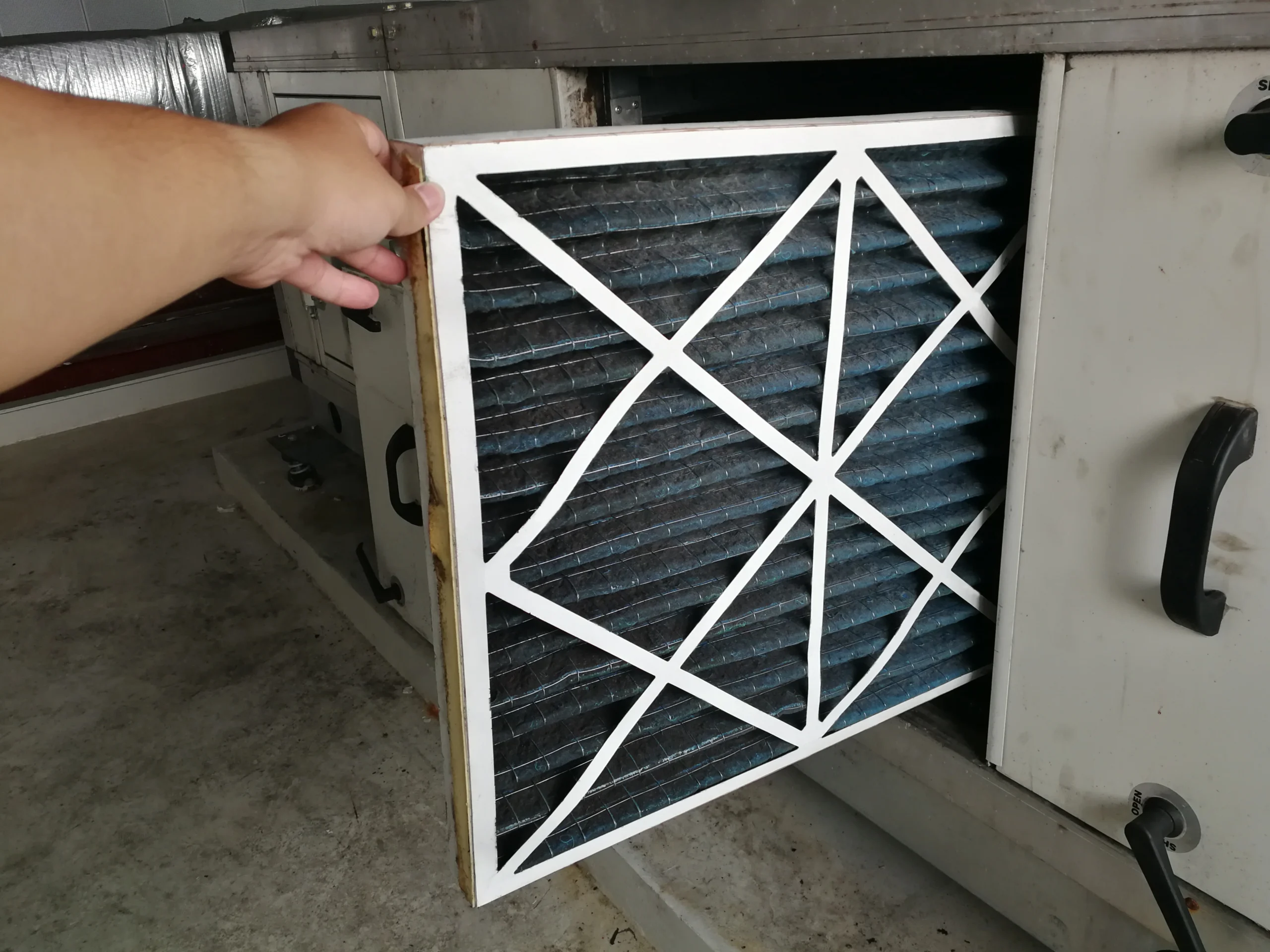
For most homes, furnace air filter replacement should occur every two months of HVAC use. This schedule assumes typical occupancy, normal dust levels, and standard heating and cooling patterns. In many cases, this simple habit offers the best protection for both the furnace and the ductwork.
Situations That May Require More Frequent Changes
- Pets in the home that shed hair or dander.
- Nearby construction or heavy outdoor dust.
- Family members with allergies or asthma.
- Systems that run daily for long cycles.
A quick monthly filter inspection is helpful. If the filter appears heavily loaded or dark before the two-month mark, it can be changed sooner. Regular furnace air filter replacement helps keep ducts and equipment cleaner between professional cleanings.
Easy Ways to Keep Your Air Cleaner
Keep Air Moving the Right Way
Airflow plays a major role in how well a furnace operates. When vents remain open and unblocked, air can move evenly throughout the home. Closed or obstructed vents force the system to work harder, and this strain eventually increases operating costs.
Maintain a Clean Furnace Area
The area around the furnace also affects system performance. When dust, stored items, or debris surround the equipment, air cannot circulate properly. Clearing the area improves airflow and allows technicians to service the system more safely.
Use Industry Standards as a Guide
As a NADCA member, Ductworks follows proven cleaning and inspection standards. When homeowners pair these practices with the right furnace air filter and a consistent replacement routine, the HVAC system runs more efficiently. Additionally, indoor air often stays noticeably cleaner.
NADCA also provides helpful homeowner resources at nadca.com, offering clear guidance on filter maintenance and long-term duct cleanliness.
Residential Air Duct Cleaning
Every filter allows some air – and a small amount of dust – to pass through. Over time, that dust settles inside the ductwork and equipment. Professional air duct cleaning works like pressing the “reset” button on your ventilation system, so the air starts moving through a cleaner path again. If it has been three to five years since your last cleaning, your home may be due for a re-clean.
Request a Residential Estimate